
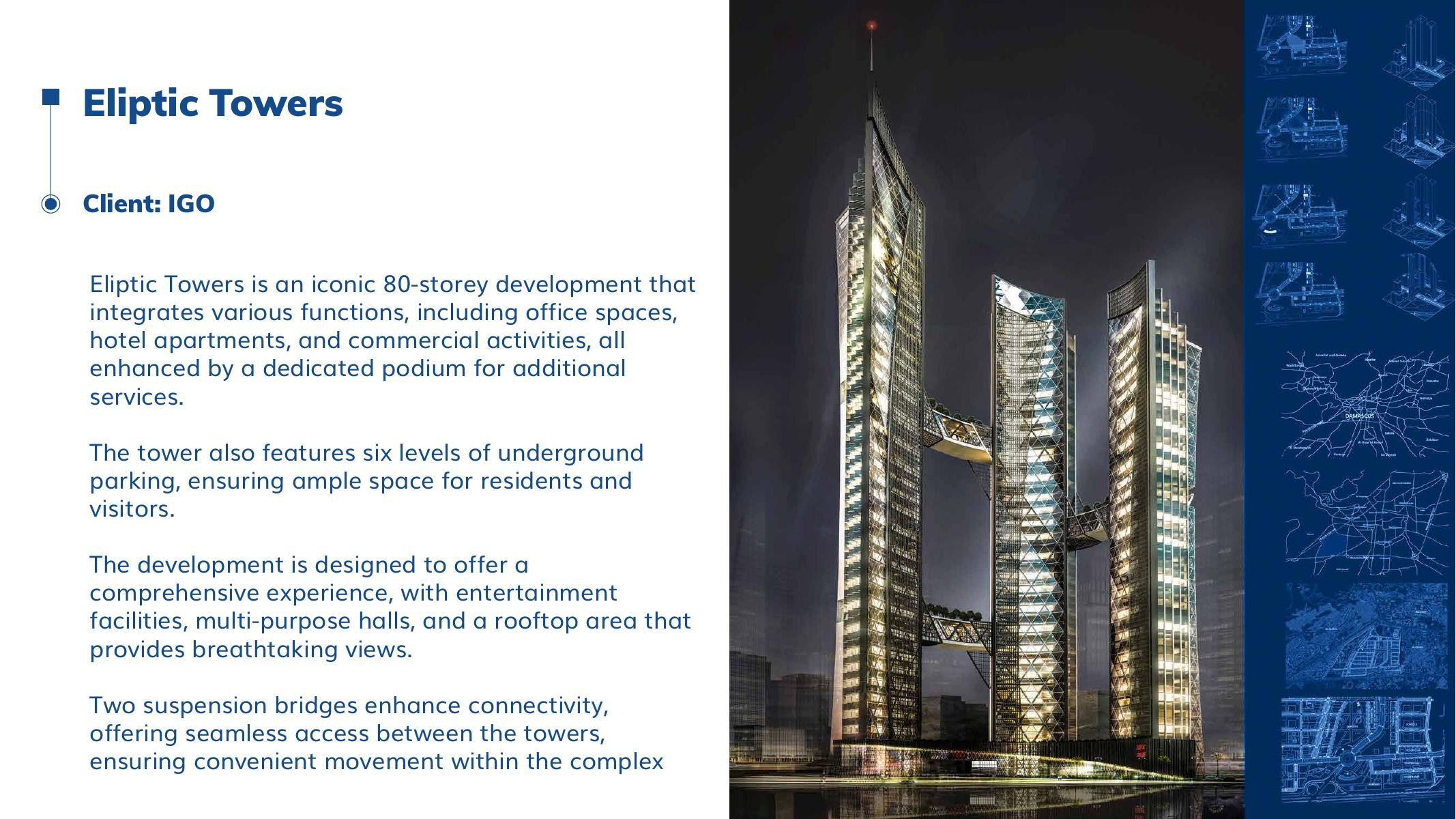
Complex developments rarely fail because one discipline was absent. They struggle when architecture, structure, building services, infrastructure and delivery decisions are made at different times, against different assumptions and without a single coordination rhythm.
Coordination begins before drawings are exchanged
Multidisciplinary work is not simply the act of collecting drawings from several specialists. It begins with one brief, one decision structure and one shared understanding of the project priorities. Early coordination protects the aspects of the design that matter most while giving engineers the space needed for safe, maintainable and buildable systems.
For a tower, hotel, hospital or mixed-use complex, decisions about grids, cores, plant space, shafts, access and fire strategy influence both architecture and engineering. Resolving them together is faster and more reliable than correcting conflicts after each discipline has advanced independently.
One accountable team improves decision quality
When the consultant manages the interfaces between disciplines, the client receives coordinated advice rather than competing technical positions. Questions can be assessed against programme, cost, performance, operation and design intent at the same time.
This does not remove specialist responsibility. It makes responsibilities clearer: each discipline owns its technical work, while project leadership owns the interfaces, review gates and communication with the client.
- Common project brief and design criteria
- Defined discipline responsibilities
- Scheduled coordination and review gates
- Documented decisions and change control
The value continues during construction
A coordinated design team is better positioned to answer contractor queries, review submittals and assess proposed changes because it understands the reasoning behind the design. Site decisions can be checked across affected disciplines before they create new conflicts elsewhere.
For the developer, the practical benefit is continuity: fewer gaps between concept and technical design, clearer tender information and a more informed response when construction conditions require adjustment.
When this model matters most
The integrated model is especially valuable where scale, phasing, public interfaces, complex building services or multiple uses create a high number of technical dependencies. It is also useful for investors who want one senior point of responsibility across the full project journey.
- Mixed-use and high-rise developments
- Hospitality and healthcare projects
- Master plans and infrastructure-led sites
- Rehabilitation and technically constrained buildings